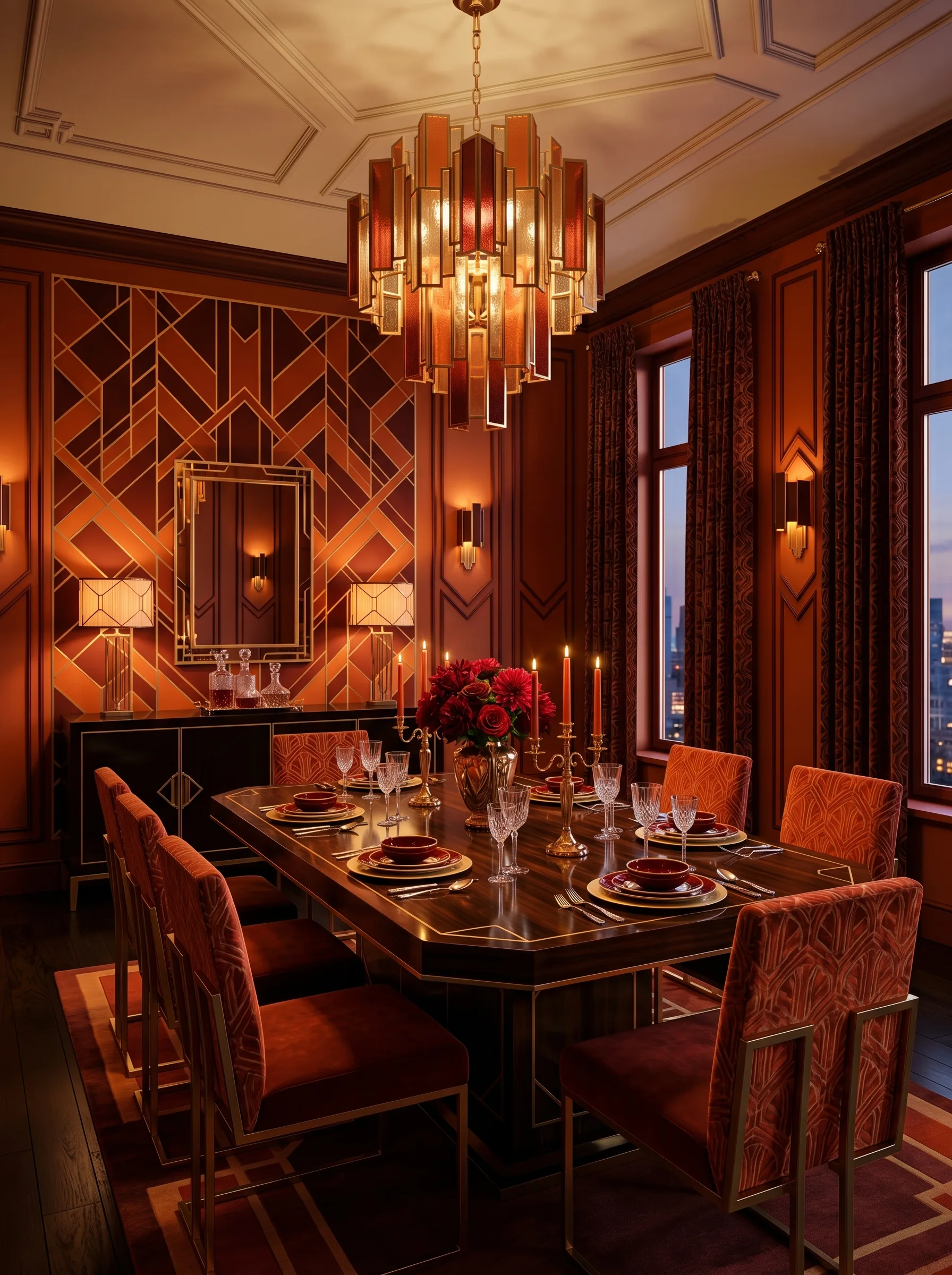
Interior design is navigating its most consequential philosophical shift in recent memory. The clinical minimalism characterized by stark white expanses and harsh planar geometries—which dominated luxury residential architecture over the past decade—has decisively given way to Warm Minimalism. In 2026, premier interiors celebrate the human need for sensory comfort, elevating authentic natural materiality, tactile biophilic integration, and fluid curved silhouettes.
Far from a seasonal cosmetic shift, this movement mirrors an evolution in how inhabitants engage with their domestic environments. The modern home has transitioned from a sterile staging ground into an authentic sanctuary for mental restoration. Leading contemporary commissions prioritize acoustic dampening, textural mineral finishes that invite physical touch, and illumination that honors natural circadian rhythms.
The Migration from Cold Monochromes to Mineral Earth Tones
Flat, clinical white walls and high-gloss lacquers are being superseded by palettes rooted in natural geology. The defining neutrals of 2026 anchor around warm greige (a measured union of gray and beige), soft desert sand, sun-baked terracotta, and muted sage greens.
Rather than uniform synthetic paints, architects are specifying artisanal wall treatments with palpable mineral texture: slaked lime washes, raw clay plasters, and microcement embedded with fine aggregate. These surfaces catch and soften natural daylight throughout the day, creating subtle gradations of tone that transform continuously with the sun's trajectory.
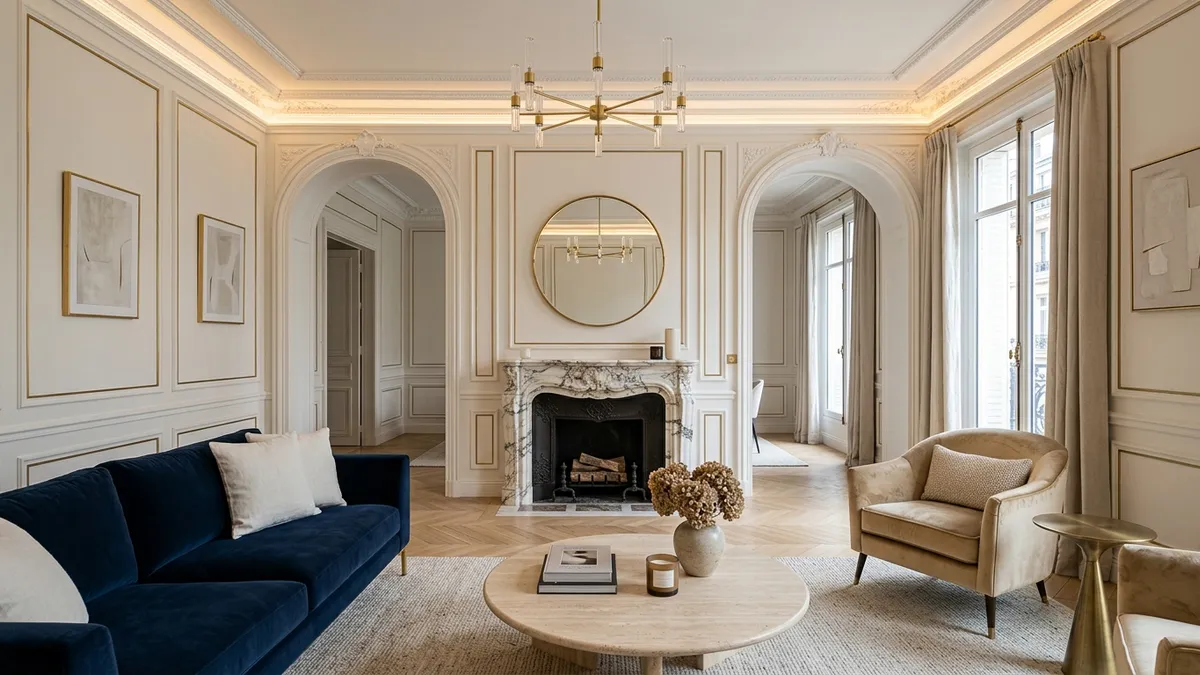
Material Harmony: Medium-toned French oak and tactile natural stones define the understated quiet luxury of 2026.
Curved Geometries and the Softening of Rigid Edges
Strict rectangular discipline has yielded to fluid, nature-inspired contours. Curved modular sofas anchor grand living rooms, cultivating effortless conversation and fluid circulation. Organic kidney-shaped cocktail tables, frameless asymmetrical mirrors, and gentle plaster archways soften standard residential footprints.
In bespoke millwork, fluted American oak and walnut panels gently wrap room corners, concealing utility portals and creating a seamless architectural envelope that amplifies perceived spatial volume.
Honed Natural Stones and Patinated Living Metals
Mirror-polished stone finishes have been eclipsed by tactile, honed, brushed, and leathered surfaces. Navona Travertine, Mont Blanc Quartzite, and matte Brazilian granites take center stage across kitchen islands, hearths, and master bath vanities.
In architectural hardware and plumbing fixtures, high-shine chrome has yielded to brushed brass, natural oxidized bronze, and satin nickel. These living finishes carry a sense of heritage and permanence, distinguishing refined interiors from mass-produced disposable fixtures.
Deep Biophilia and Human Centric Illumination
Biophilic integration has advanced well beyond freestanding decorative planters. Leading 2026 designs incorporate recessed architectural troughs for native foliage, indoor courtyard gardens, and continuous passive ventilation pathways.
Simultaneously, smart lighting follows Human Centric principles. Morning and afternoon hours receive crisp 4000K daylighting to sustain productivity, before transitioning smoothly at dusk to soft 2400K–2700K indirect perimeter glow. This biological alignment prepares the mind for restorative sleep while highlighting the cozy depth of textured bouclé upholstery and woven linen drapery.
Comparative Design Matrix: 2026 Standards vs. Previous Paradigms
| Design Element | Previous Paradigm | 2026 Architectural Standard |
|---|---|---|
| Color Palette | Pure white, cold grey, high-gloss black | Warm mineral greige, muted terracotta, sage, sand |
| Furniture Silhouettes | Rigid rectilinear boxes and sharp corners | Curvilinear modular seating, organic stone tops |
| Stones & Wall Surfaces | Mirror-polished porcelain tiles | Honed Navona travertine, lime wash, raw clay plaster |
| Illumination | Solitary central 5000K downlight | Layered diffuse 2700K and circadian automation |
Frequently Asked Questions on 2026 Interior Trends
What distinguishes 2026 interior design from previous minimalist movements?
Earlier minimalism emphasized clinical white tones, hard right angles, and synthetic high-gloss surfaces. In 2026, Warm Minimalism prioritizes soft organic curves, medium-toned natural timber, tactile honed natural stone, and rich textural fabrics like bouclé and raw linen.
Which natural stones and materials dominate 2026 luxury interiors?
Honed Navona Travertine, Mont Blanc Quartzite, Paraná Marble, artisanal terracotta tiles, and patinated living metals such as brushed brass and oil-rubbed bronze take center stage over mirror-polished surfaces.
How is biophilic architecture integrated beyond simple potted plants?
Deep biophilia incorporates built-in architectural planters, continuous natural cross-ventilation, breathable mineral plaster (lime and clay washes), and automated Human Centric Lighting that mirrors the sun's natural color spectrum throughout the day.
How can homeowners preview these trends in their space before committing to renovations?
Spatial AI platforms like the Arquitet IA app allow users to photograph their current rooms and instantly test 2026 palettes, bespoke millwork textures, and indirect lighting schemes in magazine-quality 3D renders.
Preview 2026 Interior Trends in Your Own Home
Curious to see how curved millwork, mineral palettes, and warm travertine would look inside your current living space? Upload a photo to the Arquitet IA app and generate photorealistic 3D concepts in seconds.
Try the App Free →