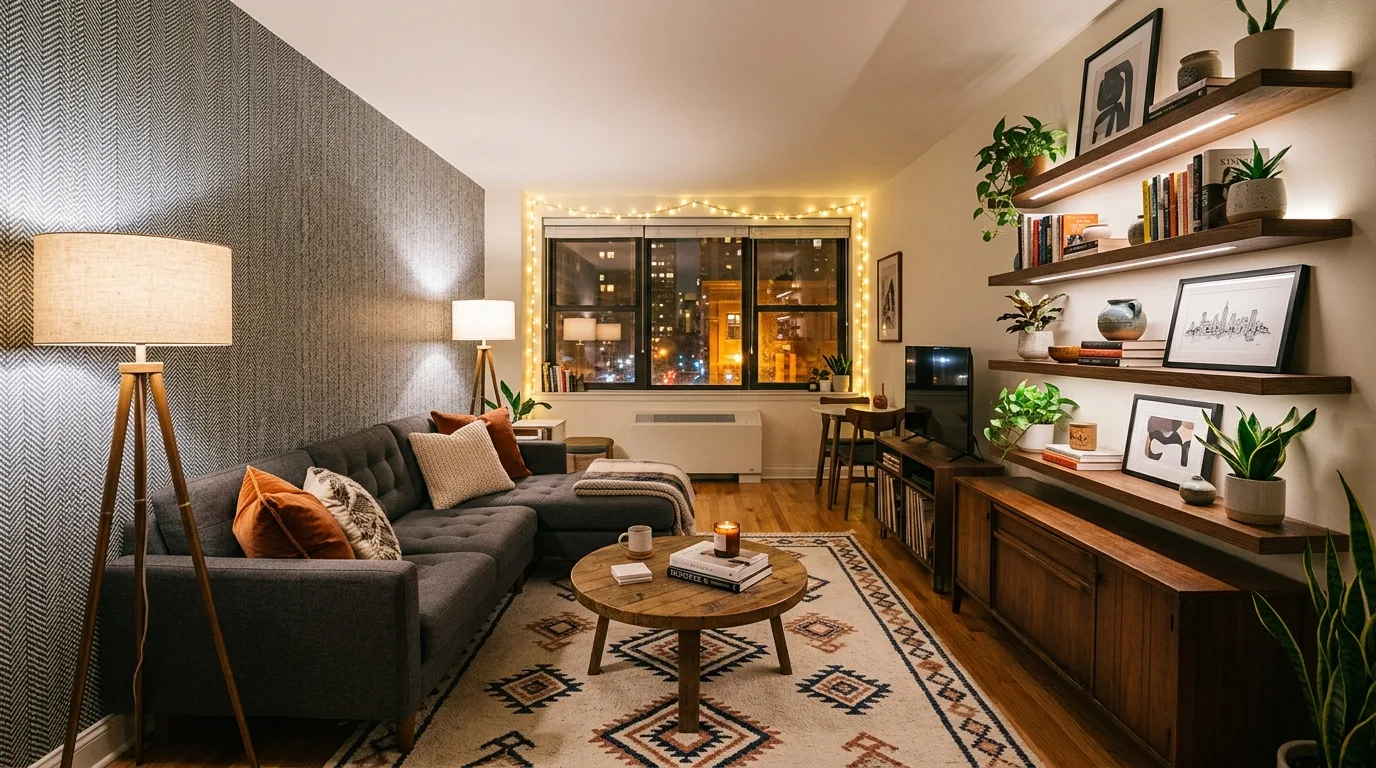
Allocating substantial capital toward structural remodeling in a leased residential property presents an enduring financial paradox. High-profile architectural cases and real estate disputes demonstrate a recurring reality: fixed structural interventions in rental homes frequently lead to complete loss of invested capital, contractual conflicts, and costly reinstatement obligations upon lease termination.
Renting, however, need not constrain aesthetic distinction or domestic comfort. The definitive answer lies in non-invasive interior architecture: an intentional discipline prioritizing modular systems, portable lighting, and high-value furnishings that migrate effortlessly to any future address.
The Legal and Financial Realities of Residential Leases
Property lease jurisprudence universally categorizes tenant improvements into necessary repairs (habitability and structural integrity), useful upgrades (functional convenience), and ornamental embellishments (aesthetic finishes). In the absence of an explicit written covenant, decorative capital improvements confer neither compensation rights nor retention privileges upon handover.
Glued porcelain tiles, recessed gypsum ceiling features, and bespoke fixed millwork legally annex to the landlord's title or incur dual demolition costs when restoring original leasehold condition.
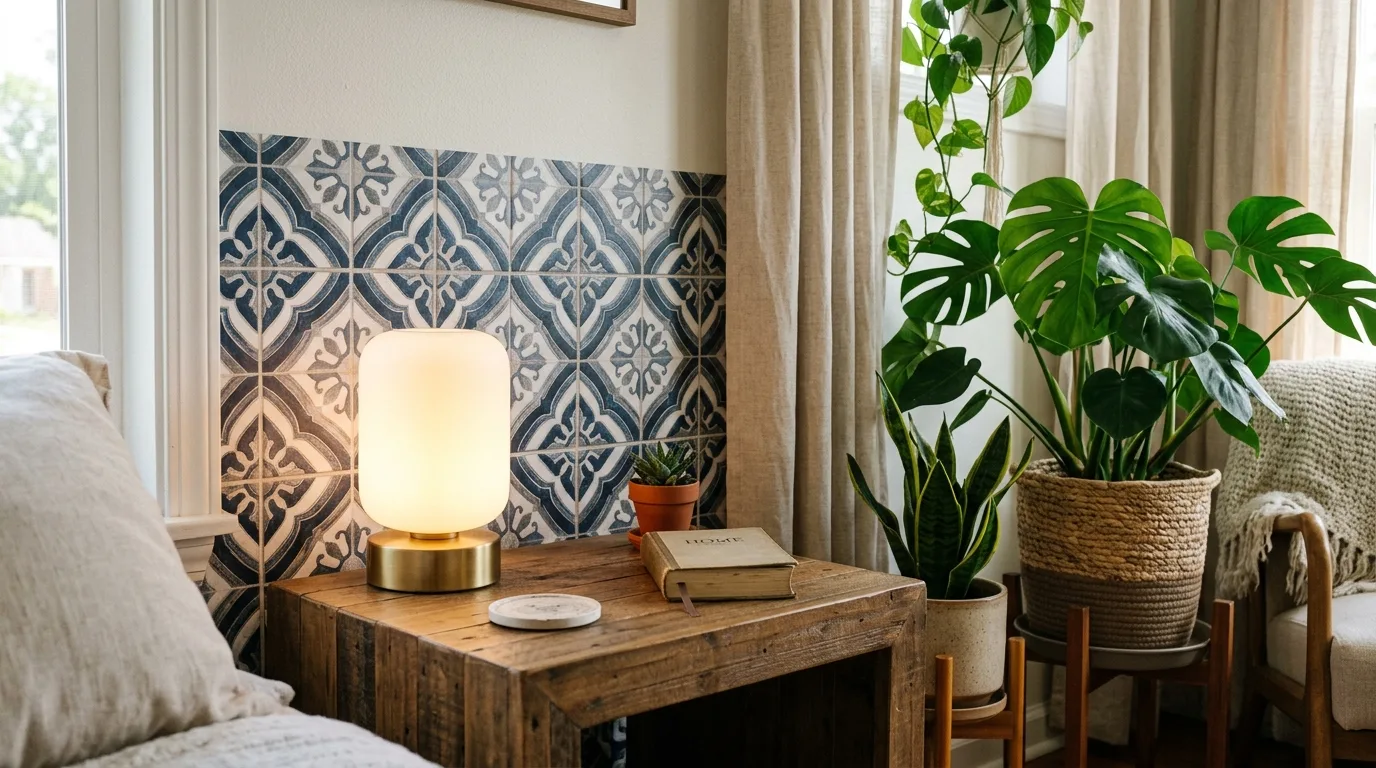
Core Non-Invasive Interior Design Strategies
Contemporary interior designers employ reversible methodologies that instill tailored sophistication while safeguarding capital liquidity:
- Surface-Mounted & Plug-and-Play Lighting: Surface track lighting installed onto existing junction boxes, plug-in wall sconces, and sculptural floor fixtures deliver dimmable ambient layers without drywall alterations.
- Freestanding & Modular Joinery: Self-supporting shelving systems, minimal-anchorage credenzas, and sectional seating easily adapt to varying room geometries across future residences.
- Textural Layering & Oversized Area Rugs: Layered natural fiber carpets (jute, sisal, or wool) effectively disguise aged floor tiles while enhancing thermal and acoustic comfort.
- Removable Architectural Finishes: High-grade peel-and-stick vinyl surfaces and removable wallpapers revitalize kitchens and bathrooms, peeling away cleanly without surface damage.
Decision Matrix: Fixed Renovations vs. Non-Invasive Design
| Intervention | Financial Risk | Portability | Smart Alternative |
|---|---|---|---|
| Tile Replacement | Extreme (100% Capital Forfeited) | Zero | Click-lock vinyl flooring or layered rugs. |
| Custom Fixed Millwork | High (70% to 100% Loss) | Extremely Low | Modular wardrobe units and freestanding bookcases. |
| Recessed Gypsum Ceilings | Medium-High (Exit Reinstatement Cost) | Zero | Ceiling-mounted tracks and architectural floor lamps. |
| Zoned Paint & Framed Art | Low (Simple Re-coat on Move-out) | Full (Art & Furniture) | Rich wall tones with straightforward move-out painting. |
Effective Leasehold Negotiations
When an apartment requires essential infrastructural repairs (such as updating faulty plumbing or aging electrical circuit panels), best practice involves presenting a detailed contractor estimate and securing an addendum for monthly rent abatement.
This focus on thoughtful spatial investment connects with insights in our guides on Small Living Room Layouts, Living Room Design Planning, and mindful curation in Fast Fashion Decor Risks.
Simulate Non-Invasive Designs in Arquitet IA
Curious how freestanding furniture arrangements, color palettes, and portable lighting will look in your leased apartment before spending on decor? Arquitet IA generates realistic 3D spatial simulations from your room photo.
Try Spatial Simulation in Arquitet IAFrequently Asked Questions
What are the primary financial risks of heavy renovations in a rented home?
The primary risk is irreversible capital loss on fixed improvements (such as custom fitted millwork, glued tiling, or structural wall changes) coupled with the legal requirement to restore the property to its original condition upon lease expiration.
What defines non-invasive interior architecture?
It focuses on 100% portable and reversible elements: freestanding modular cabinetry, surface-mounted plug-in lighting tracks, oversized layered area rugs, and high-density removable architectural films.
How should essential property improvements be negotiated with a landlord?
Always present an itemized contractor quotation before beginning work, negotiating a written lease addendum that offsets the documented renovation expense against future monthly rent payments.