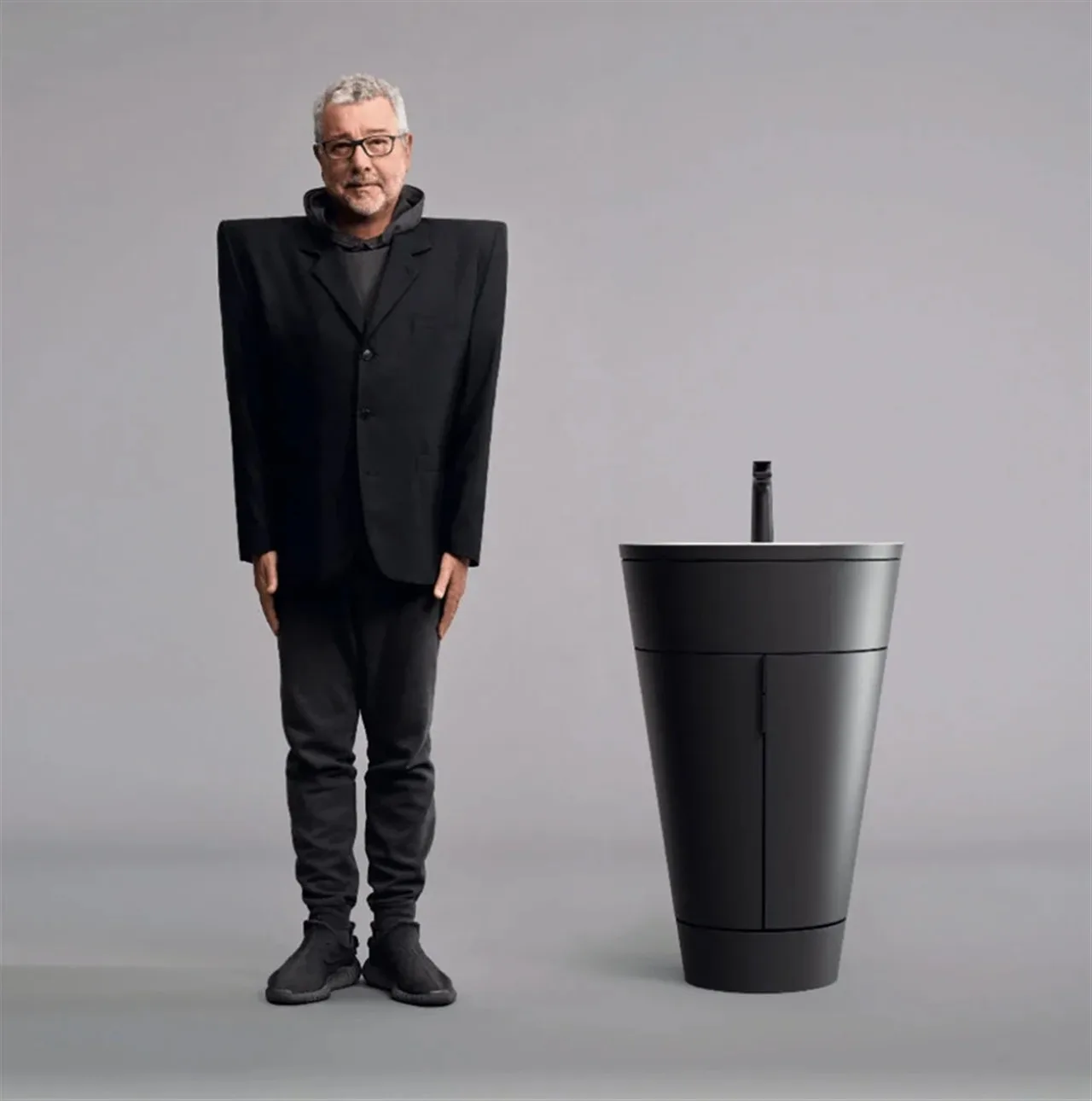
Few creative minds in contemporary design have disrupted the aesthetic landscape with the wit, irreverence, and industrial brilliance of French creator Philippe Starck. Born in Paris in 1949 to an aeronautical engineer, Starck built a career that shattered the traditional divide between high-end inaccessible luxury and mass-market functional design, pioneering the core philosophy of Democratic Design: the conviction that poetry, structural integrity, and ergonomic elegance belong in the everyday life of the widest possible public.
"Design is not about creating objects for an exclusive elite. The true mission of design is to improve the quality of daily life for ordinary people through material intelligence." — Philippe Starck.
The Democratic Design Manifesto: Subverting Functionalist Orthodoxy
At a time when signed furniture was treated as an insular museum collectible, Starck boldly challenged the status quo by designing everything from toothbrushes and mineral water bottles to landmark hotels across New York, London, and Tokyo.
His creative process rejects sterile, emotionless utilitarianism. Instead, every piece embeds a subtle narrative hook, an architectural mystery, or an ironic conversational catalyst that enlivens its surroundings.
Juicy Salif: Organic Sculpture as Everyday Conversation Starter
Conceived in 1990 for Italian design house Alessi, the Juicy Salif citrus squeezer became one of the most celebrated and debated industrial creations of the twentieth century. Sketched on a paper napkin while eating squid along the Amalfi coast, the piece is cast in polished aluminum resting atop three spindly arachnid legs.
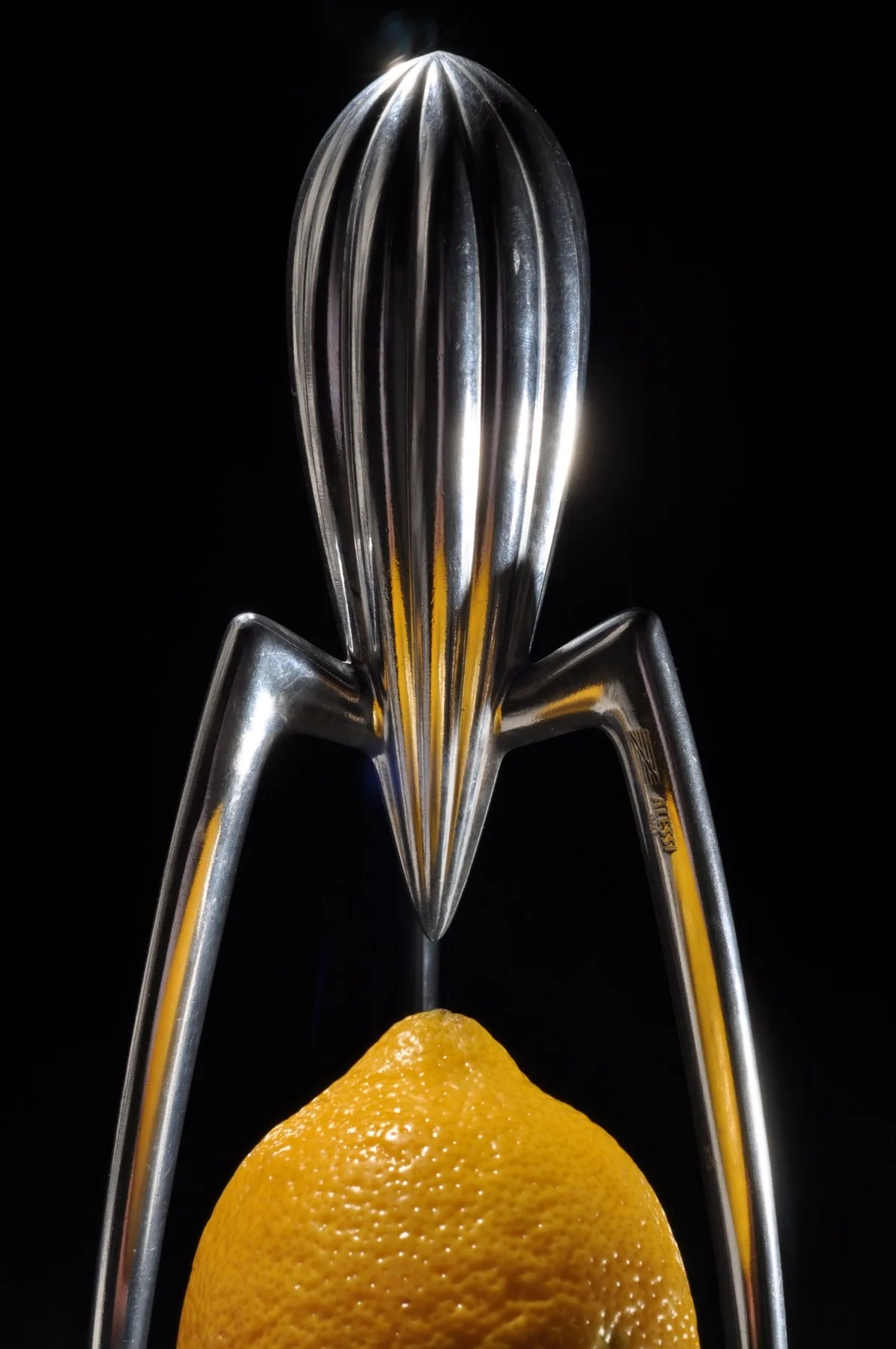
When challenged by critics regarding juice droplets trickling down the legs, Starck famously remarked that its primary function was not solely extracting lemon juice, but initiating lively conversation among dinner guests.
Louis Ghost: Dematerializing Baroque Grandeur in Polycarbonate
In 2002, partnering with Italian manufacturer Kartell, Starck achieved a crowning commercial and spatial triumph: the Louis Ghost armchair.
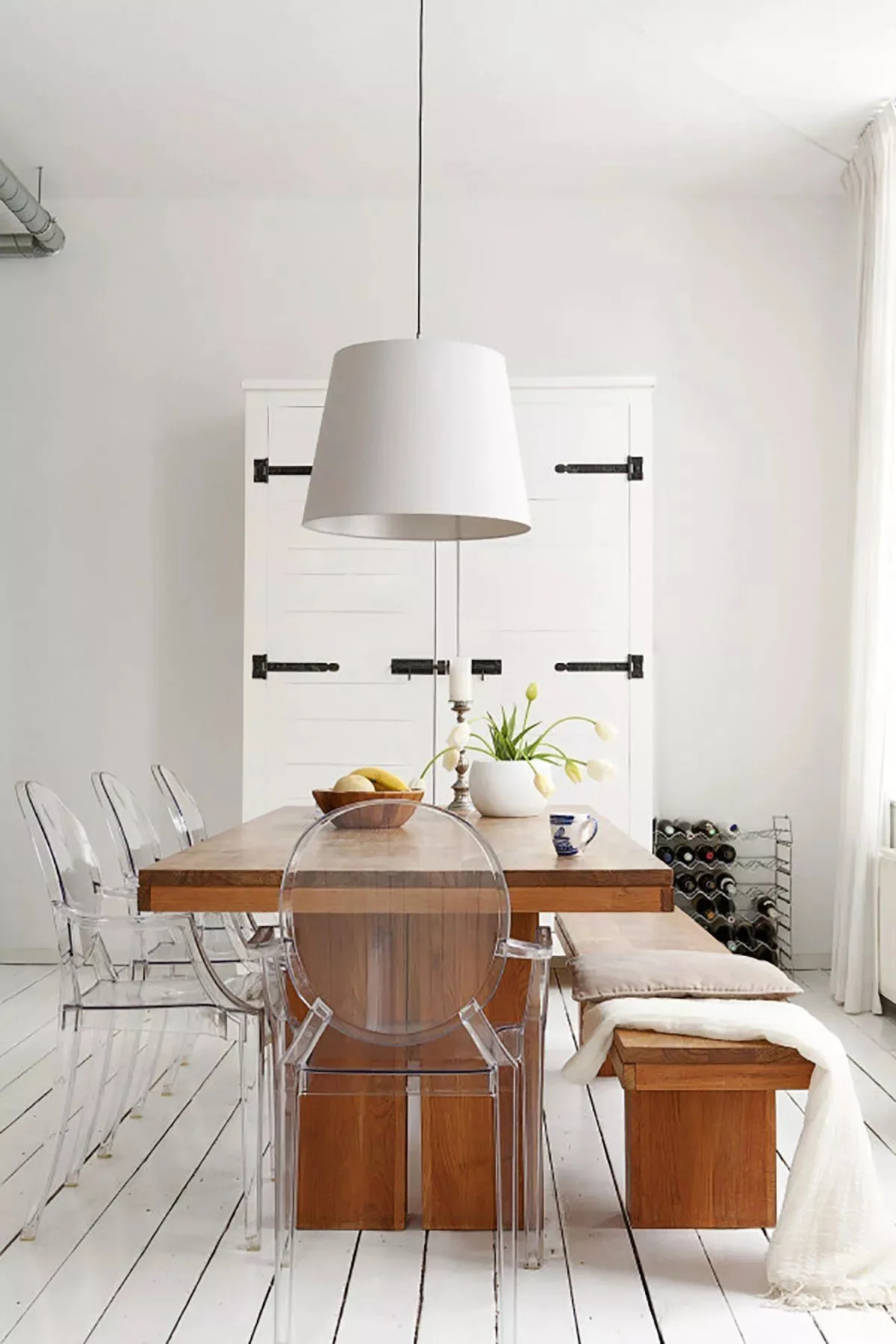
The piece translates the ornate contours of French neoclassical armchairs into a single seamless injection-molded polycarbonate shell. The resulting transparency allows light to pass undisturbed, creating a seating icon that blends effortlessly into compact modern apartments as well as historic stone estates.
Light, Sculpture, and Political Critique: The Gun Lamp Collection
In 2005, Starck launched the provocative Gun Lamp series for Italian lighting master Flos, directly utilizing residential illumination as a vessel for anti-war critique.
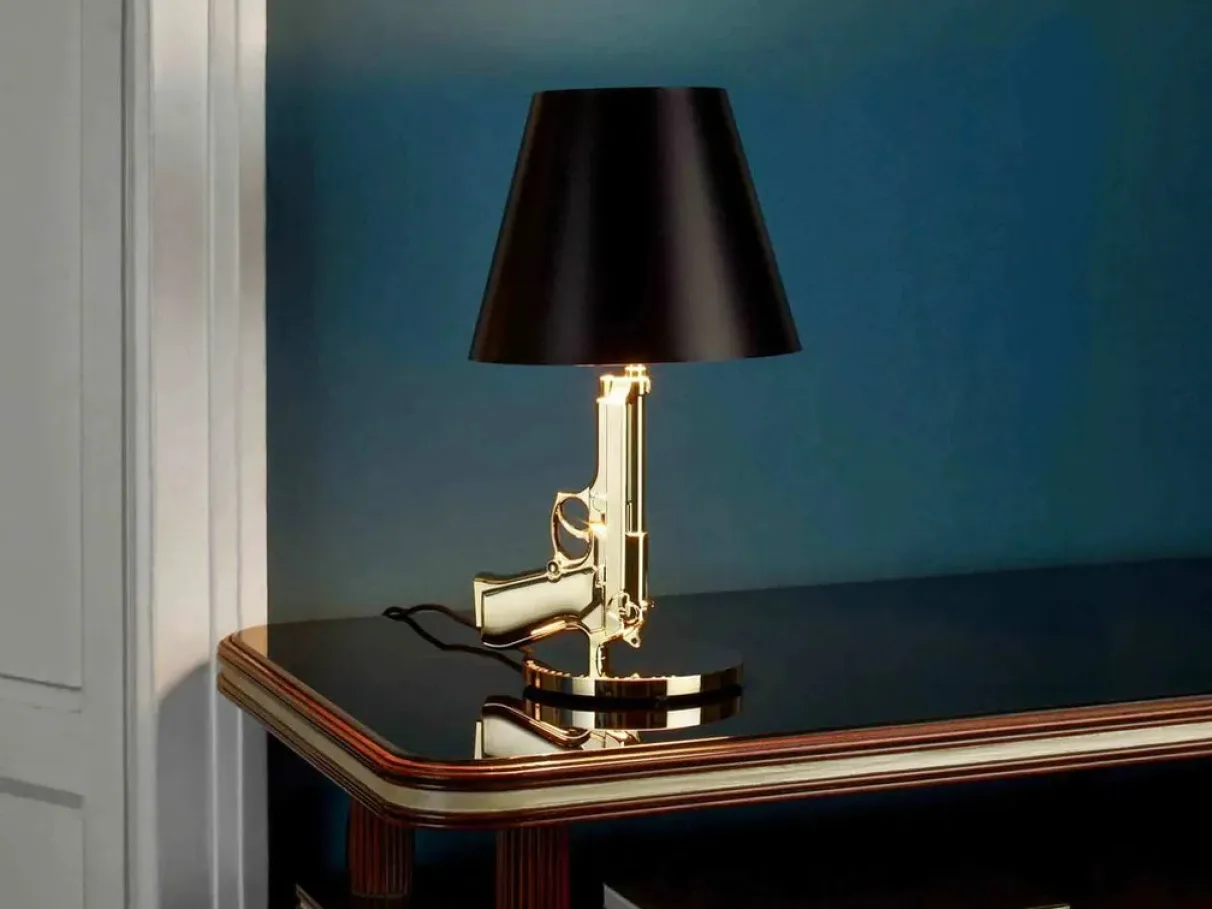
Cast from AK-47 rifles, M16 carbines, and Beretta handguns bathed in 18-karat gold beneath black shades bearing cross motifs, the collection repurposed destructive forms into ambient luminaires, directing 20% of royalties toward humanitarian organizations.
From Tokyo's Asahi Beer Hall to Steve Jobs's Superyacht Venus
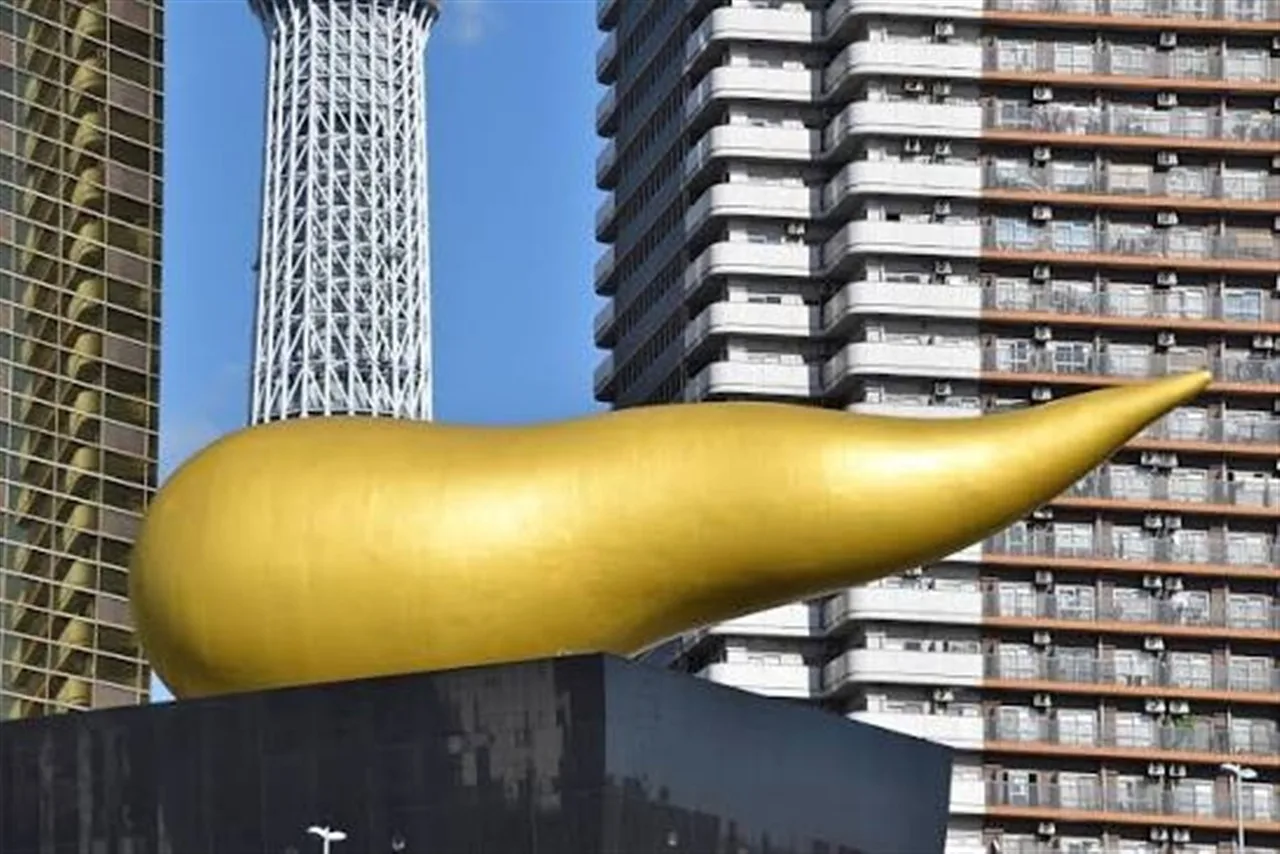
On a monumental architectural canvas, Starck crafted Tokyo's Asahi Beer Hall (1989), crowned with the dramatic Flamme d'Or—a 360-ton golden aluminum flame set against black polished granite that transformed the Sumida riverfront.
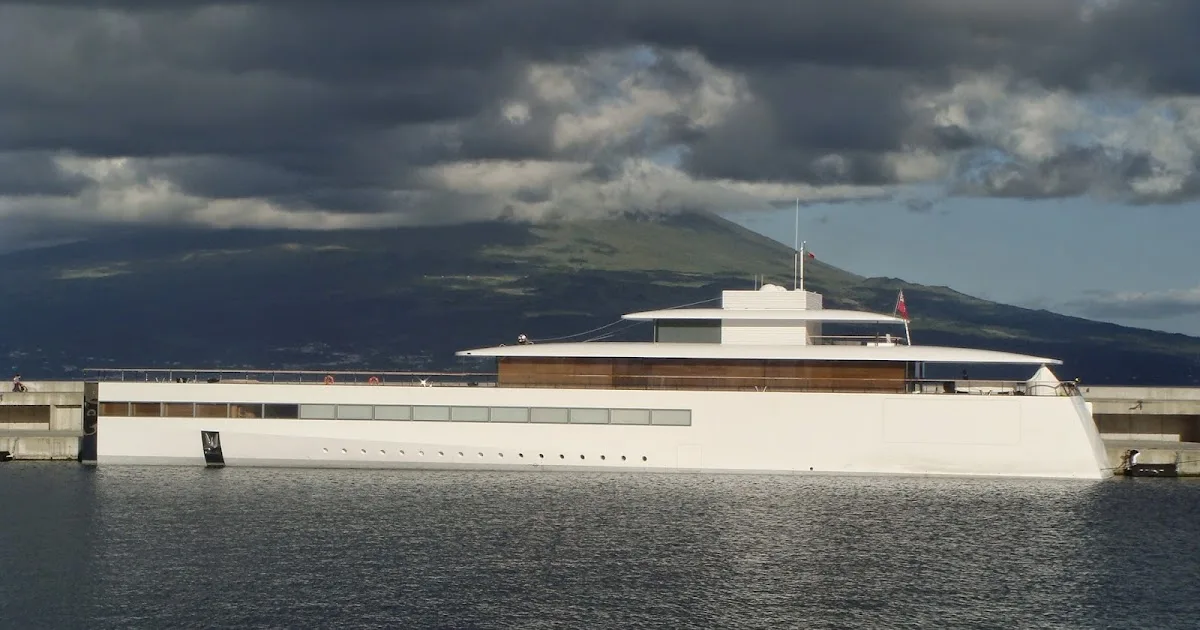
During the final years of Steve Jobs's life, Starck worked closely with the Apple founder on the private 78-meter superyacht Venus (2012). Built with brushed marine-grade aluminum and continuous three-meter structural glass panels engineered alongside Apple Store specialists, Venus represents the pinnacle of radical minimalist naval architecture.
Masterpiece Overview: Defining Works by Philippe Starck
| Creation | Year | Manufacturer / Location | Core Concept |
|---|---|---|---|
| Juicy Salif | 1990 | Alessi (Italy) | Biomorphic form & social conversation starter |
| Louis Ghost Chair | 2002 | Kartell (Italy) | Baroque dematerialization in clear polycarbonate |
| Gun Lamp Collection | 2005 | Flos (Italy) | Anti-war critique wrapped in 18k gold illumination |
| Asahi Beer Hall | 1989 | Tokyo (Japan) | Monumental urban sculpture & golden flame motif |
| Superyacht Venus | 2012 | Steve Jobs / Feadship | Radical naval minimalism in aluminum and glass |
Starck's democratic philosophy intersects with other curatorial insights across our publication, including Nate Berkus on Story-Driven Homes, comprehensive Residential Lighting Standards, and the principles of Warm Minimalism.
Simulate Iconic Design Masterpieces in Your Home with AI
Eager to test transparent seating, sculptural accent lighting, and bold designer layouts in your living room or study? Arquitet IA generates photorealistic 3D interior renders in seconds.
Try Simulator in Arquitet IAFrequently Asked Questions
What defines Philippe Starck's concept of 'Democratic Design'?
Democratic Design is the philosophy that exceptional aesthetics, durable materials, and visual poetry should not be an exclusive luxury for wealthy elites, but accessible tools produced at industrial scale to elevate everyday living.
Why is the Louis Ghost chair considered a milestone in modern interior architecture?
Introduced in 2002 by Kartell, the Louis Ghost chair reimagines the ornate curves of King Louis XV's baroque armchair into a single injection-molded clear polycarbonate piece, achieving a weightless, transparent presence that never clutters space.
What was the collaboration between Philippe Starck and Steve Jobs?
Starck designed the 78-meter superyacht Venus for Steve Jobs: an ultra-minimalist vessel featuring brushed marine aluminum, three-meter-high structural glass walls, and a bridge helm fully integrated with iMac workstations.