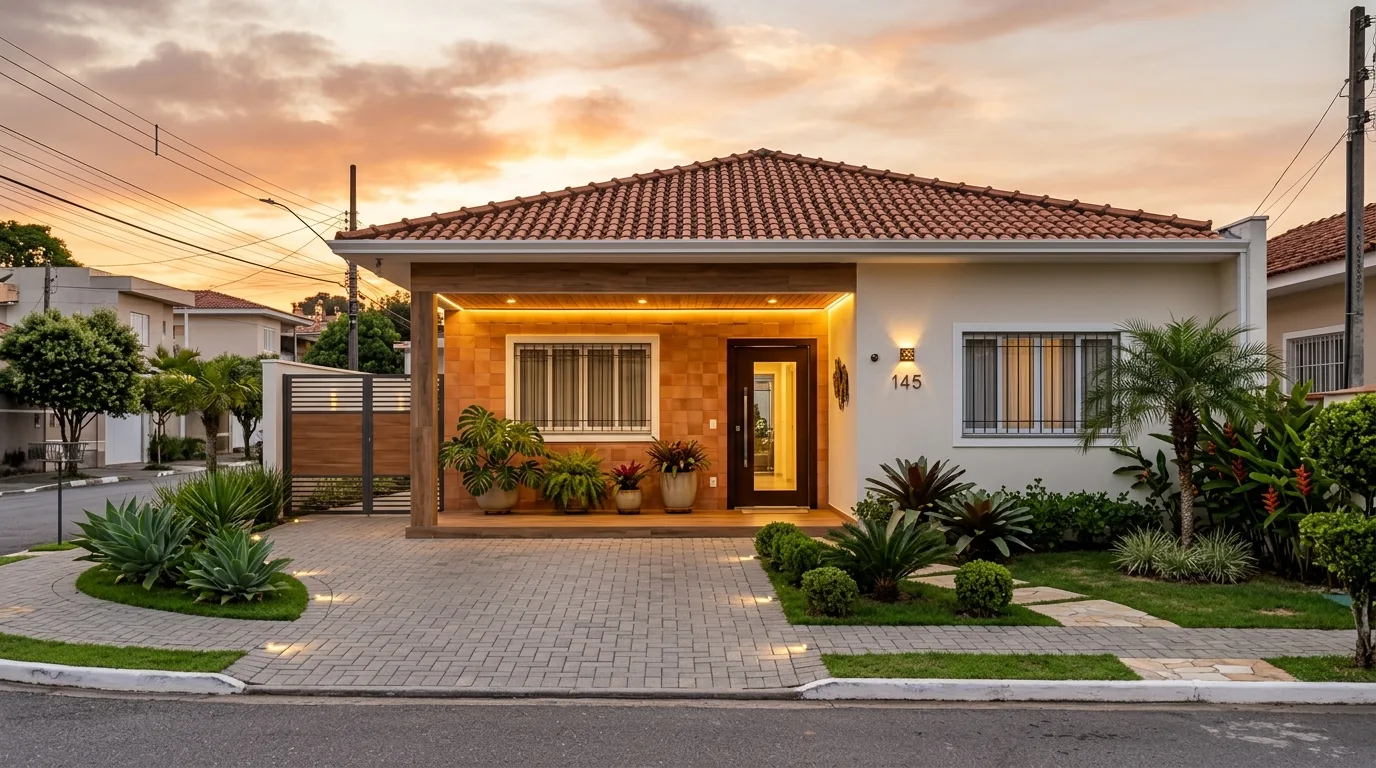
Secure, resilient housing forms the bedrock of family prosperity and psychological stability. More than mere shelter, a home is the domestic sanctuary where generational health and community roots are nurtured. Designed to tackle qualitative housing shortfalls across urban and rural communities, structured renovation programs like Reforma Casa Brasil provide essential microcredit and architectural guidance to restore structural soundness, sanitation, and thermal comfort.
"Restoring an existing residential structure not only cures physical pathology such as leaks and unsafe wiring; it restores domestic pride and protects family well-being." — Urban Housing Policy Review.
Policy Framework: Subsidized Renovation & Eligibility
Unlike greenfield development policies, renovation initiatives target the qualitative deficit: properties that are already occupied and owned by families but suffer from acute degradation in roofing, sewage connectivity, or indoor air quality.
By pairing low-interest microcredit with municipal housing registries, the policy directs funding exclusively toward certified construction materials and skilled technical trades, with priority given to households supporting seniors, young children, or disabled family members.
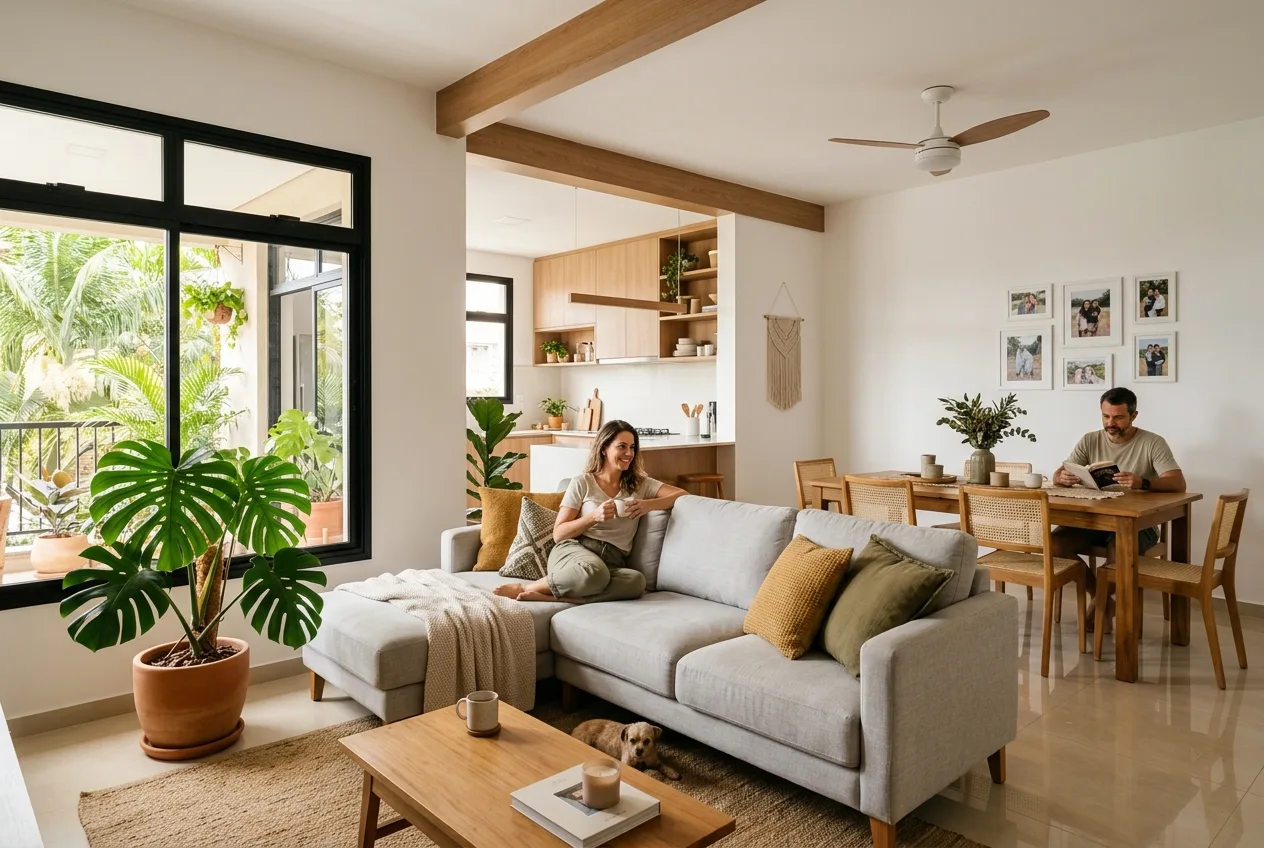
Architectural Priorities: Roofing, Wet Areas, and Electrical Safety
To ensure optimal capital allocation, architects and civil engineers recommend sequencing domestic renovations through four technical stages:
Roof Weathertightness: Replacing broken clay or cement sheets and installing under-tile thermal foils to eliminate moisture leaks that produce dangerous mold and respiratory allergens.
Sanitation & Wet Areas: Installing continuous glazed ceramic tiles across bathroom and kitchen walls, properly connecting traps to main sewage lines to guarantee hygienic food preparation.
Electrical Upgrades & LED: Replacing outdated bare wiring with modern circuit breaker panels and grounded sockets, eliminating electrical fire hazards while lowering monthly utility bills.
Digital 3D Simulation: Preventing Costly Material Waste
The most prevalent financial hazard during home improvement stems from uncoordinated purchases that lead to supply shortages or mismatched tiles. Leveraging artificial intelligence simulation tools allows homeowners to preview tile finishes, paint palettes, and lighting layouts on real photos of their rooms before ordering building supplies.
Discover further insights in our guides on Residential Lighting Standards, Roofing Types and Waterproofing, and modern Wall Cladding Materials.
Visualize Your Home Renovation with AI
Eager to test new ceramic tile floors, wall paint colors, and updated facades on real photos of your home before breaking ground? Arquitet IA generates photorealistic 3D simulations in seconds.
Try Simulator in Arquitet IAFrequently Asked Questions
What is the purpose of targeted housing renovation microcredit programs?
These public policies combat qualitative housing deficits by financing building materials and specialized labor to address critical roof waterproofing, indoor sanitation, electrical rewiring, and space expansion.
Which renovation works deliver the highest quality-of-life return?
Priority interventions include roof re-tiling to eliminate mold-causing damp, complete bathroom tiling with sealed sewage plumbing, and upgrading outdated fuse boxes with modern circuit breakers.
How does 3D AI simulation prevent costly mistakes during home renovation?
Simulating wall colors, tile finishes, and lighting fixtures directly on the real photo of a room allows homeowners to quantify materials accurately and verify aesthetic coherence before purchasing supplies.