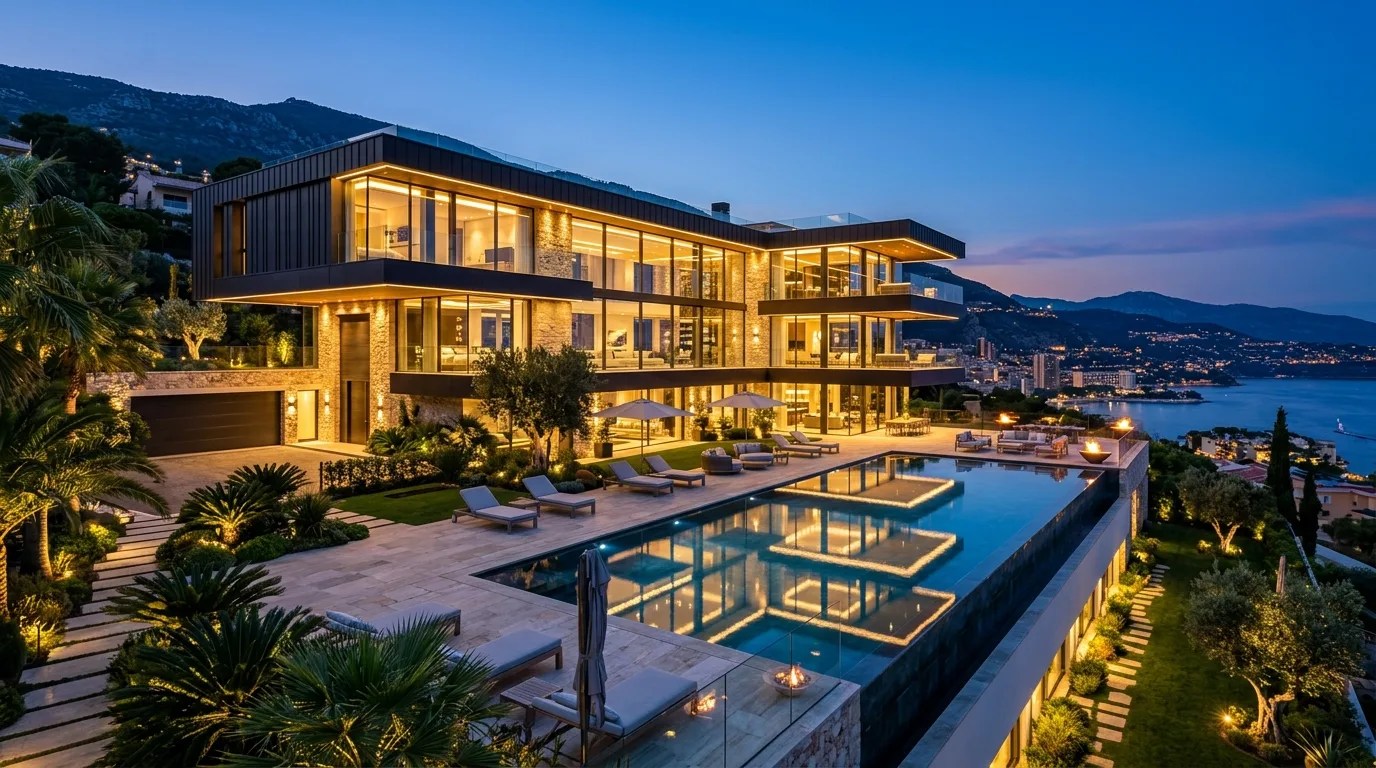
Properties valued in the tens of millions of dollars belonging to sports legends, music icons, and business moguls frequently languish on the luxury market for five, eight, or even ten years without attracting serious buyers. From Beverly Hills to Palm Beach and the Mediterranean, the stagnation of trophy homes defies intuitive real estate assumptions.
Estate advisors and architectural consultants indicate that asking price alone is rarely the sole deterrent. The true obstacle lies in design decisions that prioritize idiosyncratic personal ego over spatial timelessness, locking residences into niche aesthetic corners.
The Illusion of Hyper-Personalization and Lost Liquidity
When affluent homeowners design with unbounded budgets, the urge to imprint idiosyncratic hobbies directly onto permanent structural masonry is widespread. Themed subterranean discotheques, oversized monogrammed pool mosaics, and heavily sculpted thematic facades drastically narrow the prospective buyer pool.
For ultra-high-net-worth buyers, acquiring an estate burdened by structural quirks entails substantial demolition costs, extended permitting timelines, and lost time—often their most precious asset.
The Hidden Cost of Scale & Operational Liabilities
Another major factor in estate depreciation is disproportionate volumetric scale. Residences spanning over twenty to thirty thousand square feet demand continuous on-site facility staffing, massive HVAC utility burdens, and complex smart-home automation systems prone to rapid obsolescence.
The emerging generation of prime real estate investors prioritizes spatial elegance and operational efficiency over vast, cavernous spaces that lack domestic intimacy.
Pillars of Timeless, High-Liquidity Architecture
Leading architectural studios focusing on enduring estate value apply clear design principles:
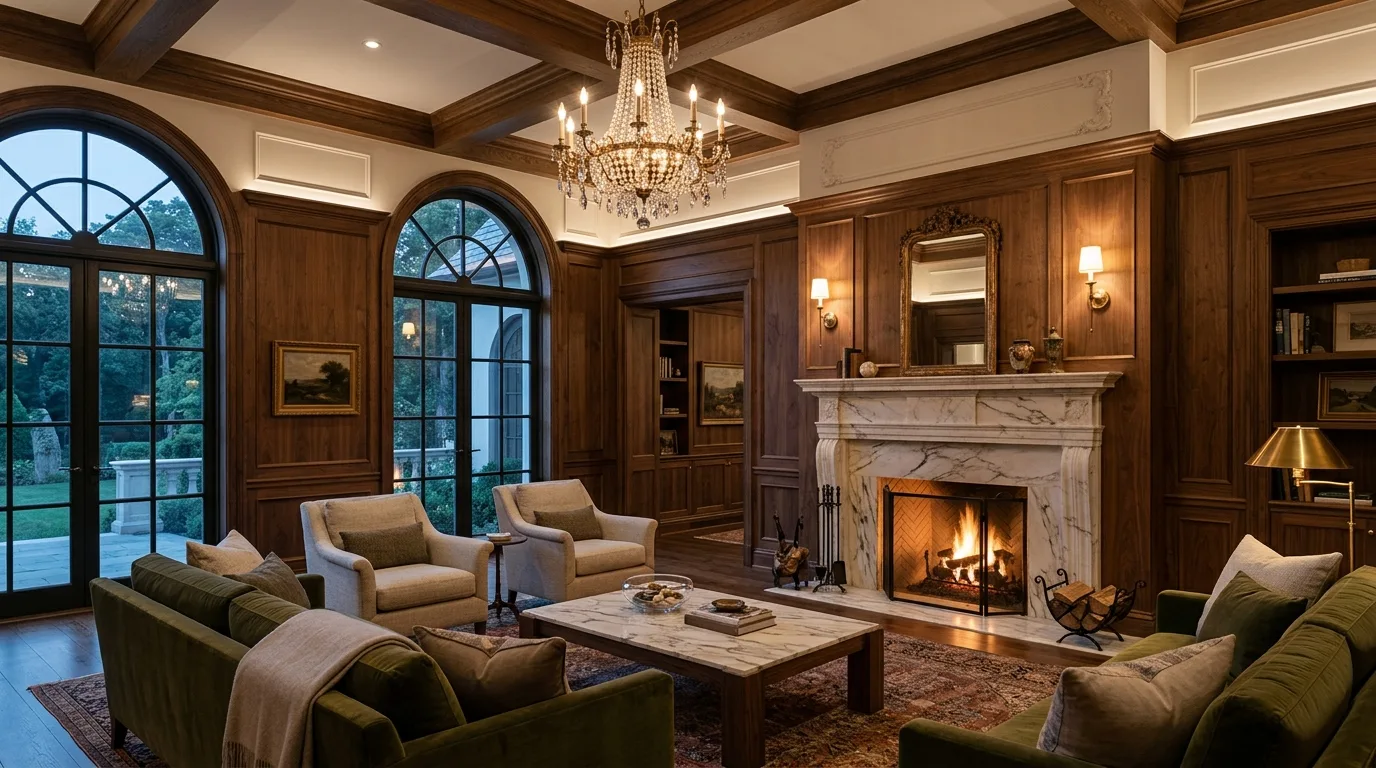
Spatial composition demands generous natural illumination, effective cross-ventilation, and continuous harmony with surrounding topography. Structural envelopes rely on noble, quiet materials—such as travertine, local quarried marbles, sustainably harvested walnut, and refined architectural fair-faced concrete.
This discussion connects with our studies on Extreme Minimalism in Celebrity Mansions, the strategic guide on Rented Home Renovation Risks, and our piece on Antique Furniture and Solid Wood Classics.
Simulate Timeless Architectural Renovations with AI
Looking to explore natural stone finishes, refined lighting schemes, and open-plan concepts before committing capital? Arquitet IA delivers photorealistic 3D simulations in seconds.
Simulate in Arquitet IAFrequently Asked Questions
Why do celebrity estates experience low market liquidity?
The primary barrier stems from irreversible structural hyper-personalization (such as custom nightclubs, branded mosaic motifs, and eccentric layouts) and colossal operational maintenance overheads requiring millions in remediation for a new owner to inhabit.
What is the foundational principle of timeless luxury architecture?
Best architectural practice demands investing in a noble, neutral foundation (natural limestone, sustainable hardwoods, generous natural light) while confining distinct personal tastes to loose furnishings, curated artwork, and non-structural layers.
How can high-end homeowners preserve estate liquidity during renovations?
Prioritize flexible open-plan layouts with cross-ventilation, abundant daylight, and enduring natural materials (travertine, local marbles, walnut), avoiding over-compartmentalization or rigid themed installations that are costly to revert.