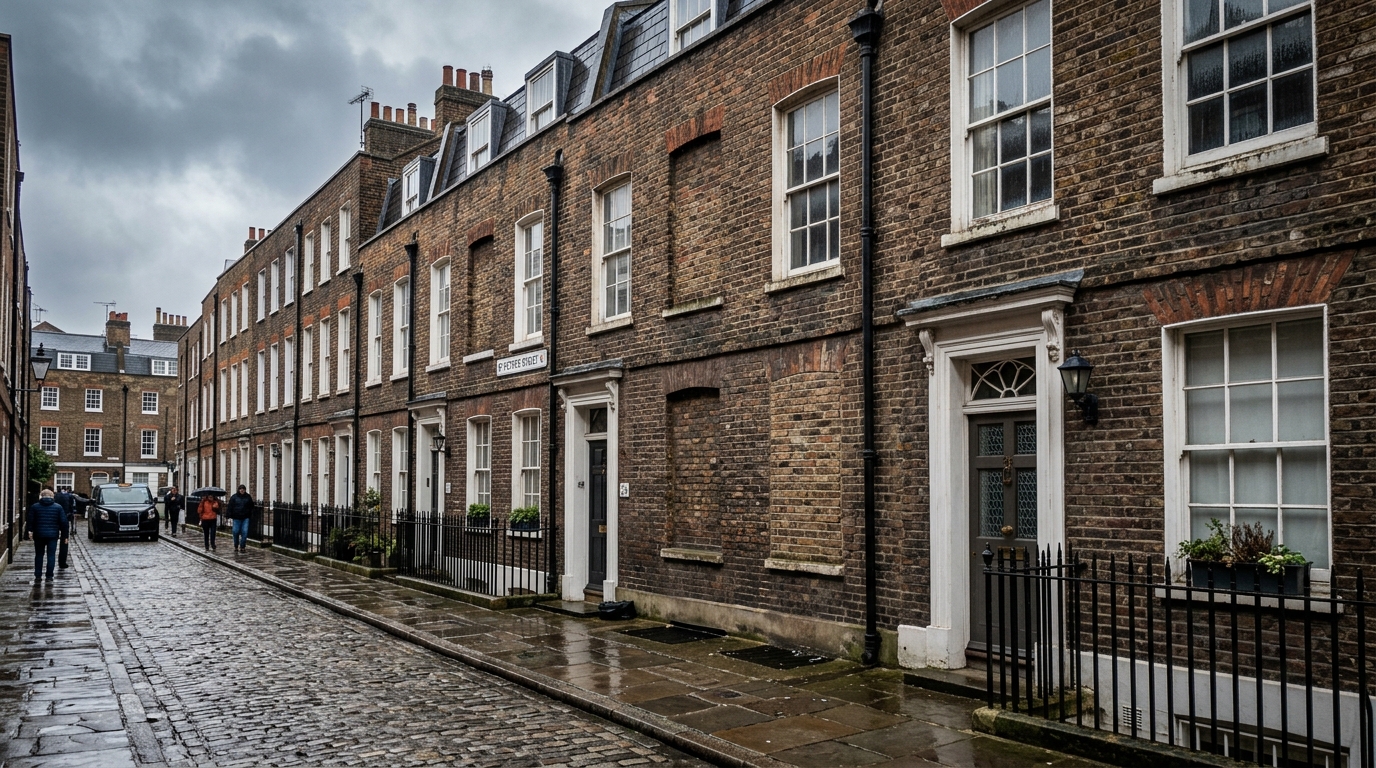
Strolling through the historic quarters of London, Edinburgh, or Bath, visitors often notice an unusual detail on Georgian and early Victorian townhouses: elegant exterior window surrounds sculpted in brick or stone, but completely filled in with matching brickwork.
Far from being architectural mishaps or mere decorative quirks, these blinded frames are the physical relics of one of Britain's most notorious tax policies: the Window Tax, enacted in the late 17th century and remembered as a historic levy on fresh air and daylight.
Taxing Natural Light: The 1696 Levy
Introduced in 1696 under King William III, the Window Tax was crafted as a revenue-raising alternative to direct income taxation, which English society then viewed as an unconstitutional intrusion into domestic privacy.
Parliament assumed that wealth correlated with architectural scale: the more affluent the family, the larger the home and the greater the number of glazed windows facing the street. Crown assessors had no need to step inside; they simply walked down the street, counted exterior openings, and calculated the tax rate accordingly.
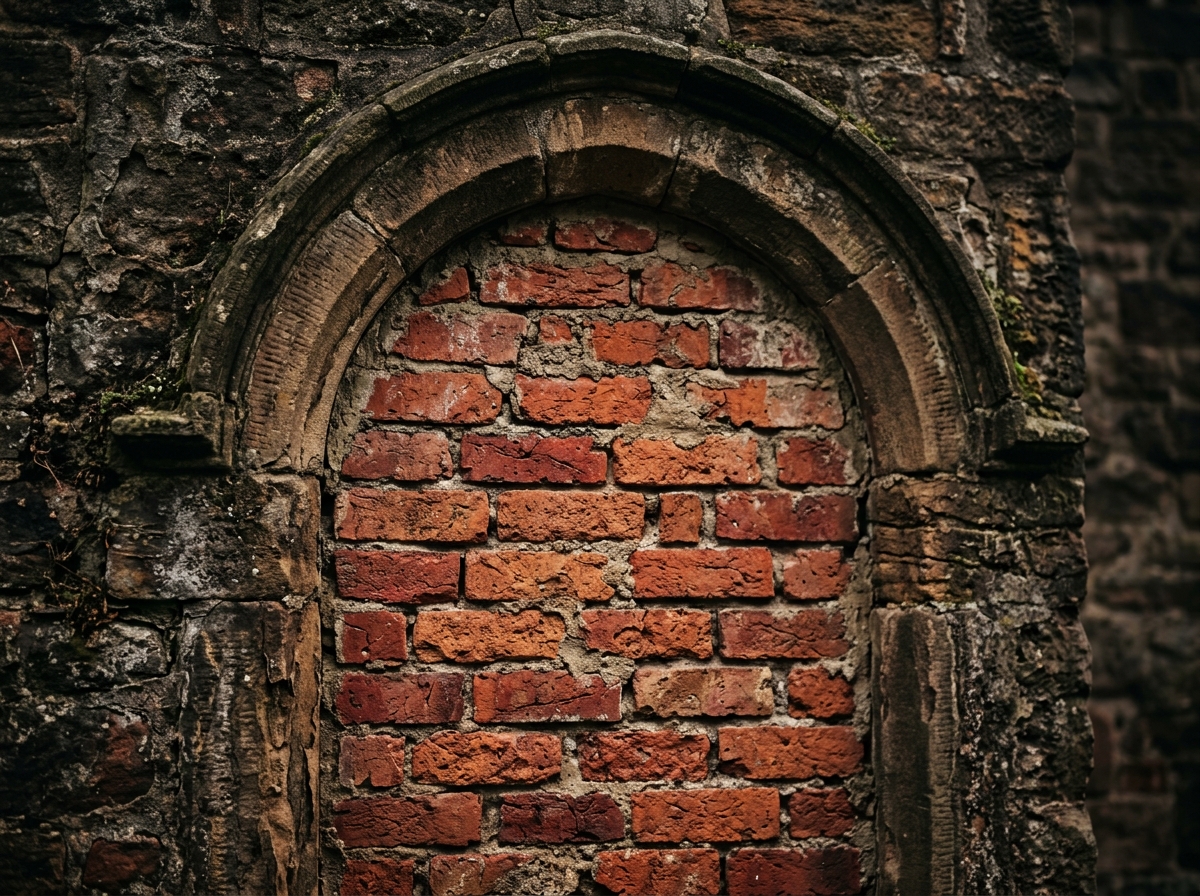
A sealed Georgian window opening, bricked up to escape punitive property levies in 18th-century Britain.
Bricked Facades and the Urban Health Crisis
Homeowners across Britain adapted swiftly. To bring properties beneath higher tax thresholds, landlords and owner-occupiers hired masons to brick up windows overnight. Architects designing new developments began including blind niches purely to preserve classical exterior symmetry without triggering additional duties.
The human cost of this tax avoidance was severe. Thousands of residential rooms were plunged into permanent gloom. Without cross-ventilation and sunlight, moisture accumulated, transforming urban tenements into breeding grounds for epidemics of tuberculosis, typhus, and rickets during the height of the Industrial Revolution.
It was during this era of widespread public indignation that the phrase "Daylight Robbery" entered the English language as a direct popular protest against state-enforced deprivation of natural light.
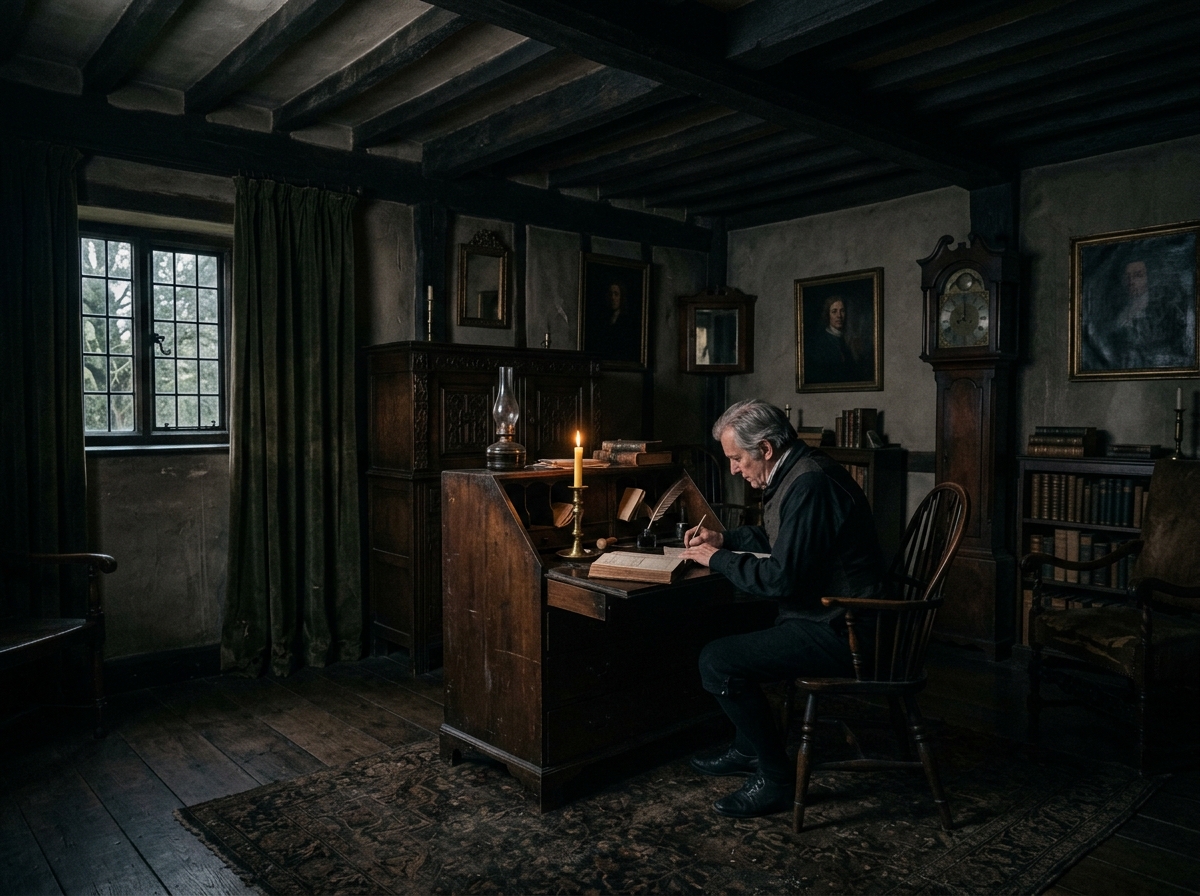
Dark, unventilated rooms became commonplace across urban Britain throughout the 18th and 19th centuries.
Medical Protests and the Modern Light Movement
Throughout the 1840s, physicians, public health advocates, and celebrated authors like Charles Dickens campaigned relentlessly for abolition. Dickens wrote passionately in his journal Household Words that the law unjustly deprived city dwellers of nature's greatest gifts: clean air and sunlight.
Bowing to scientific evidence and growing public outrage, Parliament finally repealed the Window Tax in 1851. The decision triggered a renaissance in British residential architecture, establishing natural illumination and airflow as non-negotiable foundations of healthy living environments.
The Window Tax was not the only historical design practice with unintended consequences on health; consider the toxic history of Victorian arsenic wallpaper or the high-stakes espionage of the War of the Mirrors at Versailles. Today, prioritizing sunlight and air circulation remains fundamental when exploring interior design styles and planning room makeovers with AI-driven small room layout tools.
Historical Summary: The British Window Tax
| Enforcement Period | 1696 to 1851 (155 years in effect) |
| Jurisdictions Affected | England, Scotland, Wales, and France (with a comparable door-and-window tax) |
| Architectural Consequence | Bricked-up window openings and blind niches in townhouse facades |
| Health Repercussions | Heightened rates of tuberculosis, rickets, and typhus due to poor ventilation |
| Lasting Idiom | Daylight Robbery (describing exorbitant or unfair charges) |
Simulate Natural Lighting and Open Layouts with AI
Take a photo of any room in your home with Arquitet IA to test optimized window placements, light flow, and balanced interior layouts in seconds.
Simulate Rooms in Arquitet IA →Frequently Asked Questions about the Window Tax
When was the Window Tax established in Great Britain?
The tax was enacted by the British Parliament in 1696 under King William III as a progressive proxy for property wealth without invading household privacy.
Why did homeowners brick up their windows?
Because crown tax assessors calculated annual liabilities by counting exterior window openings from the street, blocking windows directly lowered tax bills.
What is the origin of the phrase 'daylight robbery'?
The idiom originated as popular British slang protesting the government levy on sunlight and air circulation, and remains in English usage to denote unfair prices.
When was the Window Tax repealed?
The Window Tax was officially repealed in 1851 following sustained medical opposition and campaigns by social reformers, including novelist Charles Dickens.